Upgrade Your Environment: a Comprehensive Guide to Full-Service Painting By Skilled Contractors
Elevating a living space through professional painting can substantially improve a property's visual appeal. Experienced painting specialists bring skill and premium supplies, ensuring a smooth process from beginning to end. Understanding the nuances of this service is essential for residents. As they consider the journey ahead, questions about contractor selection and project management naturally emerge. These elements are critically important in achieving a desired outcome. What should one prioritize in this transformative additional resource endeavor?
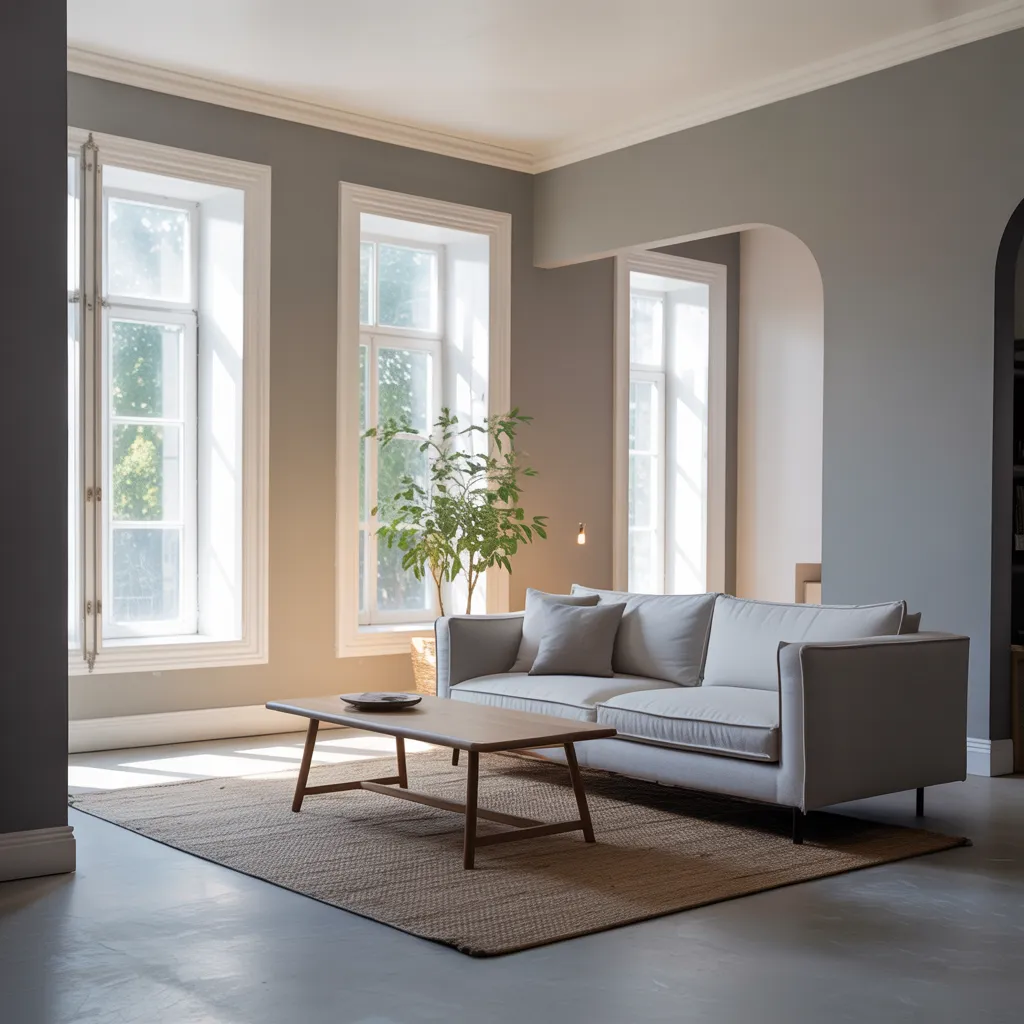
What Are the Benefits of Hiring Professional Painters?
When considering a painting project, many homeowners weigh the option of hiring professional painters. Working with professionals often brings a mix of expertise and efficiency that can transform a space with greater success than DIY efforts. Expert painters have a thorough knowledge of color theory and application techniques, ensuring a flawless finish that improves the overall look. Their expertise enables them to handle obstacles such as uneven surfaces or unique architectural features, which can be intimidating for those without experience.
In addition, professional painters typically use top-tier supplies that contribute to strength and extended lifespan, reducing the need for regular touch-ups. Residents further benefit from valuable time efficiency; professional painters can wrap up projects rapidly, enabling property owners to concentrate on other priorities. Additionally, working with experts can deliver a sense of security, as a great number extend workmanship warranties or guarantees on the work they perform. In the end, the expertise and reliability of skilled painting professionals can considerably boost the quality of any painting undertaking.
What the Full-Service Painting Process Entails
What do homeowners encounter during a complete painting process? Initially, they can expect a thorough consultation, where experienced painters review their goals and desires. This step frequently involves color recommendations and design consultation personalized for specific areas. Following the consultation, a detailed project plan is established, outlining timelines and costs.
Once the process gets underway, preparation is key; contractors will protect furniture and flooring, and might also take care of repairs to walls and surfaces. The painting phase itself requires skilled application methods, guaranteeing a smooth and uniform finish. Homeowners should anticipate the use of high-quality materials, boosting both durability and overall appearance.
All through the process, communication stays vital, with regular updates given to keep homeowners informed. Finally, upon completion, a thorough cleanup is performed, leaving the space ready for immediate enjoyment. Altogether, a full-service painting process is designed to provide a smooth and effortless experience and a refreshed and revitalized living space.
Finding the Ideal Contractors for Your Full-Service Painting Project
How do homeowners make certain they are hiring the ideal contractors for their full-scale painting project? To begin, performing comprehensive research is essential. Homeowners ought to gather referrals from friends, family members, or online testimonials to build a roster of prospective contractors. Reviewing each contractor's body of work offers a closer look at their craftsmanship and aesthetic approach. Furthermore, confirming licenses and insurance coverage helps guarantee professionalism and safeguard against potential liability.
Furthermore, securing several estimates helps residents to evaluate costs and offerings, confirming they understand what is included. During initial consultations, homeowners should seek information on deadlines, supplies utilized, and aftercare. Open communication is key; selecting a contractor who listens and addresses concerns encourages a productive partnership.
In conclusion, checking references can highlight the experiences of previous clients. By following these steps, property owners can confidently choose a painting professional who matches their expectations, securing a rewarding complete painting undertaking that improves their property.
Prepare Your Space for Success
Getting the space ready is essential for a productive painting project. Removing furniture and personal belongings from the space confirms that the work can proceed without obstacles. Additionally, safeguarding possessions with protective coverings or transferring them to a safe spot reduces the risk of damage during the painting process.
Prepare the Area
Before initiating a paint job, it's essential to tidy the workspace to set up a productive area. This undertaking involves taking away furniture, decor, and other items that could interfere with the painting process. A cleared workspace not only increases convenience for the contractors but also limits the risk of unintended harm to belongings. It is wise to move larger items to a different room or, if needed, to the center of the space and cover them with a drop cloth for extra protection. Additionally, any wall decorations, light fixtures, or outlet covers should be taken down to guarantee a smooth surface for painting. By carefully tidying the workspace, homeowners create the foundation for a more streamlined and polished painting experience.
Safeguard Your Possessions
To safeguard belongings during a painting project, homeowners should take proactive steps in protecting their possessions. First, they must remove all items from the area being painted, including furniture, decor, and electronics. For larger items that cannot be moved, covering them with drop cloths or plastic sheeting can prevent paint splatters and dust accumulation. Additionally, homeowners should secure any valuable items, either by moving them to a different room or placing them in protective storage. It is also wise to tape or cover light switches, outlets, and flooring to minimize potential damage. Taking these precautions not only protects belongings but also creates a smoother and more efficient painting process, ensuring a successful transformation of the space.
Top 5 Errors to Avoid When Hiring Professional Painters
Engaging skilled painting contractors can transform a space, yet a lot of homeowners fall into common pitfalls that can lead to dissatisfaction. One critical misstep is not doing thorough research on possible contractors. Homeowners need to check reviews and ask for references to ensure dependability. A common mistake is not obtaining several estimates, which can result in spending too much or choosing the wrong fit for their budget. Moreover, overlooking questions about insurance and licensing can leave homeowners open to legal issues. Lack of clear communication about project timelines and expectations can also lead to unnecessary tension; early discussions are critically important. Finally, some homeowners overlook the written agreement, which is critical for defining project specifics and protecting both parties. By avoiding these mistakes, homeowners can achieve a more satisfying result and reach their goals from their painting project.
Keeping Your Beautifully Painted Walls in Top Condition
After securing the right professionals and achieving a stunning paint job, maintaining those beautifully painted walls becomes the next priority for homeowners. Regular upkeep is essential to preserve the vibrancy and integrity of the paint. Since dust and dirt tend to build up, it is advisable to clean gently with a soft cloth or sponge and mild soap to prevent surface damage.
Property owners should also take note of changes in humidity and temperature levels, which can impact both the paint and the wall beneath it. Utilizing a dehumidifier in moisture-prone areas can prevent peeling and mildew.
Periodic touch-ups may be required; keeping extra paint for this purpose guarantees color consistency. Finally, avoiding abrasive cleaning tools and harsh chemicals will help maintain the finish. By adhering to these practices, homeowners can enjoy their beautifully painted walls for years to come, enhancing the overall aesthetic of their spaces.
Creative Approaches Beyond Standard Painting
Within the realm of painting, creative texture techniques and striking color contrasts provide exciting alternatives to conventional methods. These methods can transform a space, introducing depth and personality through tactile surfaces and vivid visual combinations. Embracing these creative options enables individuals to express their distinctive style while elevating their environments.
Advanced Texture Solutions
Although conventional painting methods offer certain advantages, innovative texture applications offer a fresh perspective on interior design. Approaches including sponging, rag rolling, and stucco finishes are capable of converting walls into captivating design elements. Such approaches generate richness and dimension, giving homeowners the freedom to display their individual taste. Additionally, materials like plaster or wood can be incorporated to enhance tactile experiences, making spaces feel more inviting. Textured treatments can additionally disguise surface imperfections, delivering a useful benefit along with decorative value. As more homeowners seek personalized environments, professional contractors are increasingly skilled in these innovative approaches, ensuring that each application is tailored to the client's vision. Ultimately, these creative techniques elevate spaces beyond conventional flat surfaces.
Strong Color Contrasts
Hue can be a powerful tool in interior design, especially when it comes to producing dramatic contrasts that energize a room. Professional contractors often utilize innovative methods to produce remarkable visual impact. One technique entails matching deep hues with bright shades to produce dimension and dramatic effect, highlighting architectural details. Feature walls present another option; a rich tone can highlight a designated zone, such as a mantelpiece or wall art. Additionally, utilizing color blocking—where contrasting hues are arranged in geometric shapes—introduces a modern aesthetic. By experimenting with unexpected pairings, such as matching cerulean with amber or sage with blush, homeowners can create a distinctive look. In the end, striking color contrasts transform interiors, converting everyday spaces into remarkable rooms.
Frequently Asked Questions
What Is the Typical Duration of a Full-Service Painting Project?
A conventional full-service painting project usually requires one to two weeks, influenced by factors such as project scope, surface preparation needs, and weather conditions. Proper preparation and drying time also contribute to the overall duration.
Which Paint Types Do Professional Contractors Recommend?
Skilled painting contractors commonly advise high-quality latex paints for indoor surfaces due to their long-lasting performance and simple maintenance. For exterior painting projects, they often suggest premium acrylic formulations, which deliver outstanding resistance to weathering and prolonged color preservation.
Are Eco-Friendly Painting Solutions Available?
Eco-friendly painting options are indeed available. Skilled contractors commonly advise the use of low-VOC and zero-VOC paints, which help minimize harmful emissions and their environmental impact, ensuring healthier indoor air quality while providing a variety of colors and finishes.
Is It Possible to Remain in My Home During the Painting Process?
In many cases, homeowners are able to stay in their homes throughout the painting process. However, it's advisable to stay away from freshly painted areas to avoid fumes and guarantee safety, particularly in compact areas where airflow and ventilation might be insufficient.
What Steps Should I Take to Maintain Paint Quality After the Project?
To preserve paint quality once the project is complete, ensure adequate airflow, prevent excess moisture buildup, and gently clean all surfaces. Frequently check for any signs of damage and address issues promptly to maintain the paint's look and durability.